
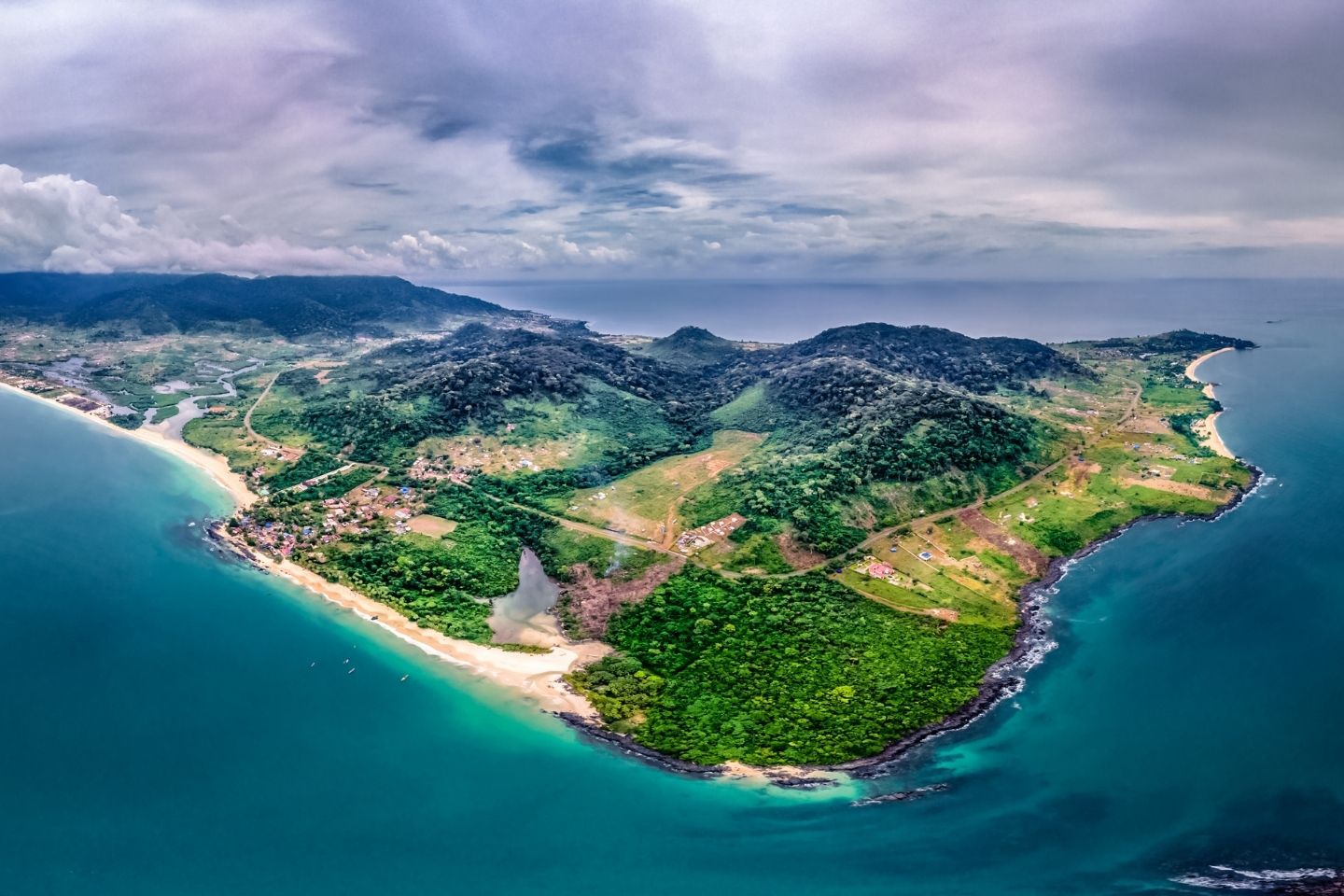
About Sierra Leone
The Republic of Sierra Leone is a beautiful West African nation on the Atlantic coast, bordered by Guinea to the north and east, and Liberia to the south. Known for its pristine beaches, lush mountains, tropical forests, and rich biodiversity, the country is richly endowed with natural resources such as diamonds, gold, bauxite, and iron ore, earning it the title “Land of Iron and Diamonds.” Its capital city, Freetown, holds a unique place in history as a settlement for freed slaves and today stands as a symbol of liberty and resilience. Sierra Leone is equally celebrated as the “Athens of West Africa” for its legacy in education, with Fourah Bay College (est. 1827) being one of the oldest universities in sub-Saharan Africa and a hub of intellectual leadership in the region. Beyond its natural wealth and history, the nation is known for the warmth of its people, cultural diversity, and vibrant traditions. With a young population and growing sectors in tourism, agriculture, and digital innovation, Sierra Leone continues to present vast opportunities for sustainable development, partnership, and investment.
GEOGRAPHICAL LOCATION
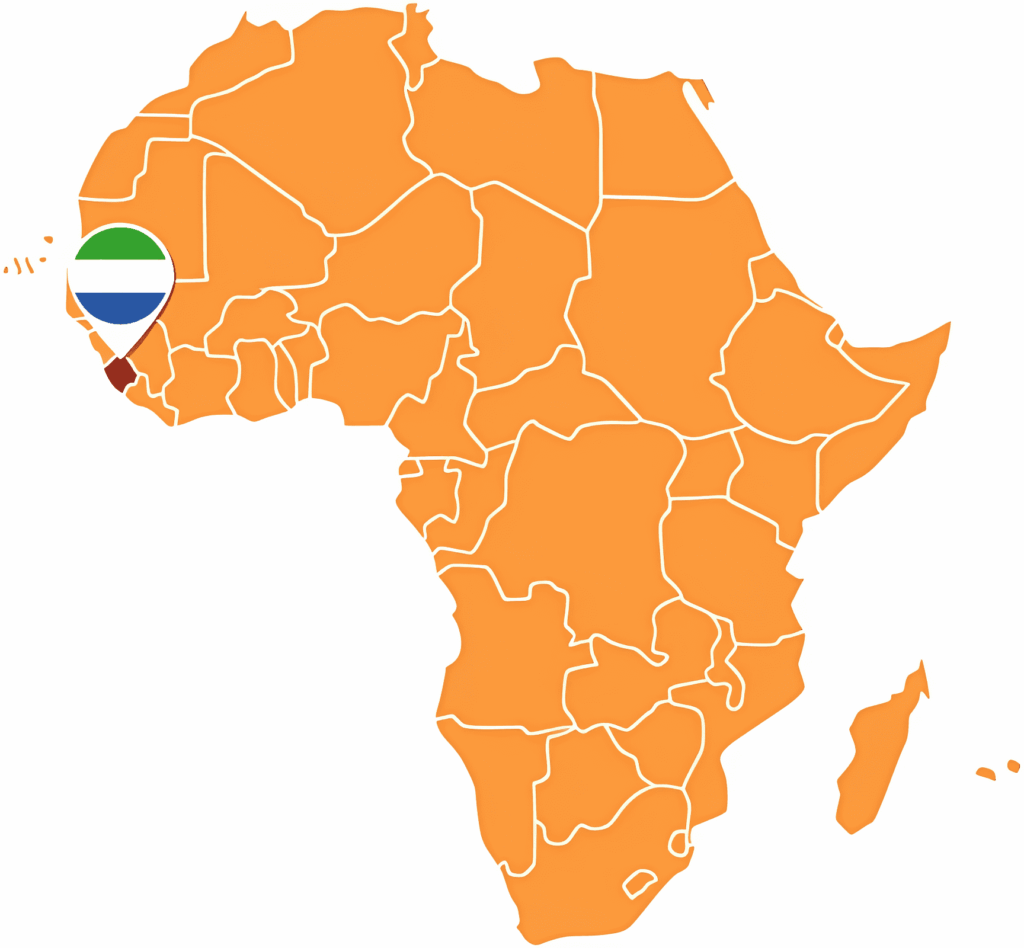
Sierra Leone is on the Atlantic Ocean in West Africa Guinea, in the north and east, and Liberia, in the south, is its neighbors. Mangrove swamps lie along the coast, with wooded hills and a plateau in the interior. The eastern region is mountainous.
History and Independence
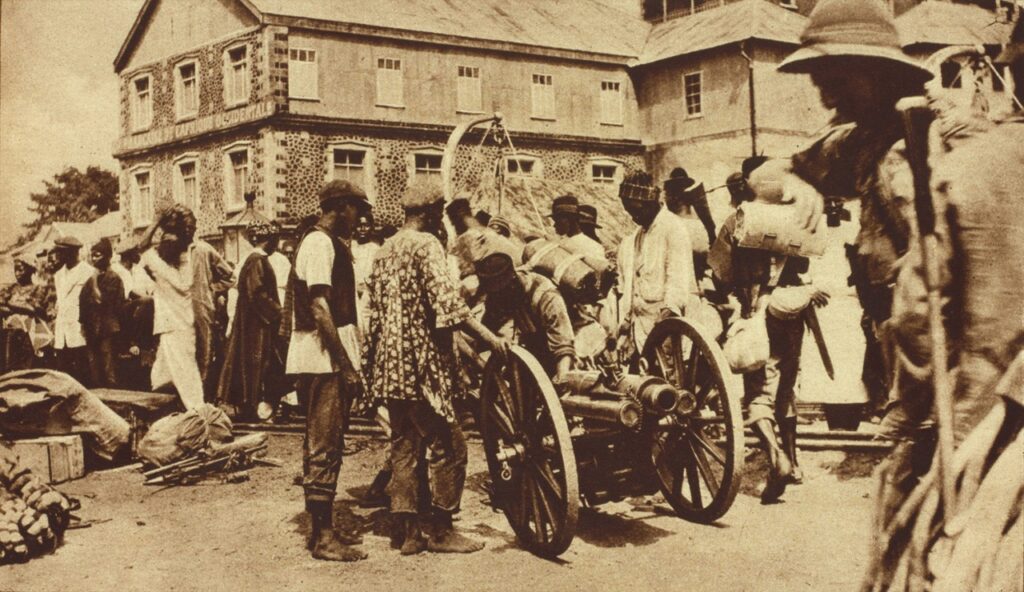
Sierra Leone has a unique history as a land of freedom. Founded in the late 18th century as a settlement for freed slaves, it became home to diverse communities of returnees and indigenous peoples. The capital city, Freetown, still stands as a symbol of liberty and resilience. Sierra Leone gained independence from Britain on 27 April 1961, and today it is a proud member of the African Union (AU), the Economic Community of West African States (ECOWAS), and the United Nations (UN).
Governance and Democracy

Sierra Leone is a multiparty democratic state, currently led by His Excellency Dr. Julius Maada Bio, the 5th democratically elected President, now serving his second term in office. The country has made remarkable progress in consolidating peace, strengthening democratic institutions, and advancing good governance following its civil conflict in the 1990s.
Economy and Development
With a vision to build an inclusive and resilient economy, Sierra Leone continues to invest in agriculture, mining, fisheries, tourism, infrastructure, and digital innovation. President Bio’s flagship Human Capital Development agenda anchored in free quality education, healthcare, and food security (Feed Salone initiative) is laying the foundation for long-term prosperity.
People and Culture

Sierra Leone is home to over eight million people, representing a rich blend of ethnic and cultural diversity. The country is well known for its warm hospitality, vibrant music and dance traditions, colourful festivals, and thriving arts scene. English is the official language, while Krio—a unifying lingua franca—is widely spoken across the nation.
Sierra Leone in the World
As a peace-loving nation, Sierra Leone continues to play an active role in global and regional diplomacy. It has contributed to United Nations peacekeeping missions and advocates strongly for international cooperation in areas of peace, security, climate action, and sustainable development.
Sierra Leone remains open to the world, a country of opportunity, resilience, and promise, committed to building a better future for its people and contributing meaningfully to the advancement of Africa and the global community.
Full Name: Republic of Sierra Leone
Population: 7.5 Million
Capital: Freetown
Area: 73,326 sq km (27,925 sq miles)
Major Languages: English, Krio
Major Religions: Islam, Christianity
Monetary Unit: Leone (Le)
Main Exports: Diamonds, Rutile, Iron Ore, Bauxite, Gold, Cocoa, Coffee, Fish
GDP: 6% (World Bank)
Internet Domain: .SL
International Dialing Code: +232
Official/Business Hours: Monday to Friday – 08.00 – 17.00 hours
Time Zone: Sierra Leone is on GMT all year around.
Electricity: 220 – 240 volts AC, 50Hz